Therapists must be superhuman when competing with AI that gives free mental health advice
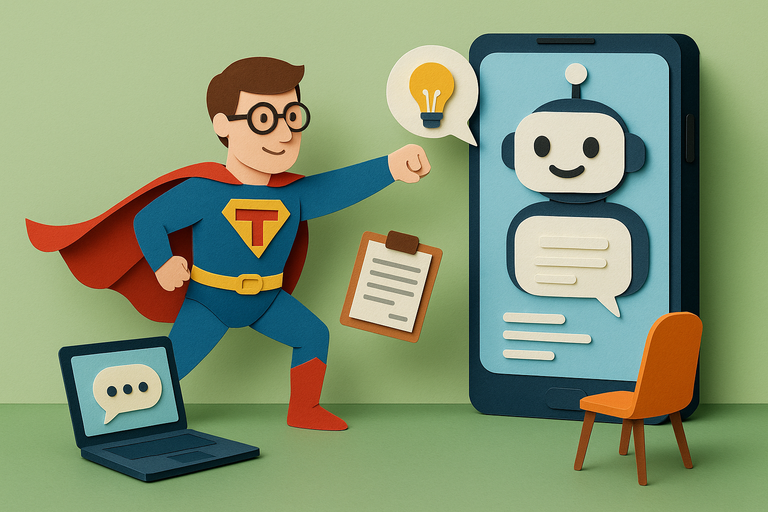
SMRTR summary
People around the globe are now turning to ChatGPT, Claude, and other AI chatbots for mental health advice—and it's creating an unexpected problem for human therapists who suddenly find themselves held to impossible standards.
These AI systems deliver instant diagnoses and solutions within minutes, no lengthy sessions required. No childhood exploration. No building trust over months. Just quick, seemingly confident answers available 24/7 at no cost.
This convenience is fundamentally rewiring public expectations. Clients now expect human therapists to match AI's lightning speed and apparent certainty, essentially demanding superhuman performance from mental health professionals.
The situation gets more complicated when clients quote AI advice during therapy sessions, insisting the chatbot must know what it's doing. Therapists find themselves debating AI capabilities rather than focusing on actual treatment.
A recent medical study warns that these "superhuman expectations" create significant risks, noting that professionals under such pressure often hesitate to act properly, fearing criticism.
Some therapists are fighting back by incorporating AI directly into their practice, creating a new therapist-AI-client dynamic. Others prepare extensively for AI-related discussions, using the technology themselves to understand its limitations.
The transformation is irreversible. As one researcher noted, therapists who ignore this AI revolution are unlikely to prevail in the changing landscape of mental health care.
SMRTR provides this summary for quick context. The original article belongs to Forbes.
Read the original article