
Patients Furious at Therapists Secretly Using AI
SMRTR summary
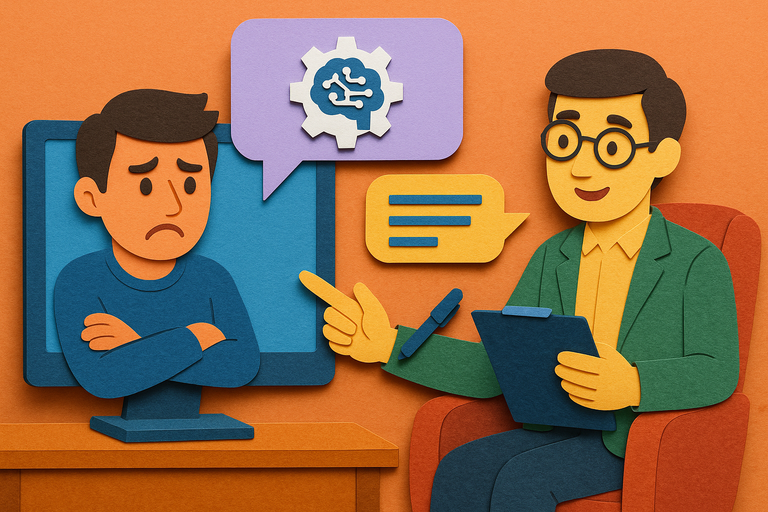
During a video therapy session in Los Angeles, Declan watched in disbelief as his therapist secretly used ChatGPT to analyze his responses and suggest follow-up questions.
"He was taking what I was saying and putting it into ChatGPT," Declan recalled, "and then summarizing or cherry-picking answers."
Rather than confront his therapist immediately, Declan began echoing ChatGPT's suggestions back to the delighted therapist. "I became the best patient ever," he said, describing how the therapist believed they were making breakthrough progress.
This breach of trust isn't isolated. Another patient named Hope received what seemed like a heartfelt message after her dog died, only to discover her therapist had forgotten to remove the AI prompt requesting "a more human, heartfelt response with a gentle, conversational tone."
"It definitely affected my trust in her," Hope said, noting the irony that trust issues were her reason for seeking therapy.
As AI becomes more pervasive in healthcare, these unauthorized uses create serious ethical concerns, potentially violating patient confidentiality and undermining the human connection at therapy's core.
SMRTR provides this summary for quick context. The original article belongs to Futurism.
Read the original article