
Startup Uses Neural Chips to Turn Live Pigeons Into Cyborg Drones
SMRTR summary
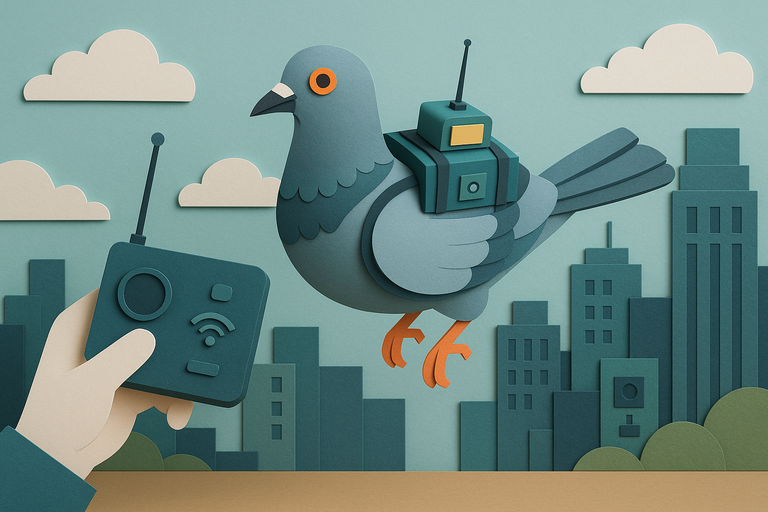
Surgeons in Moscow are inserting microscopic electrodes into pigeon brains, creating what amounts to living drones that can be steered by remote electrical signals. The startup Neiry claims their PJN-1 project has achieved early success, with modified birds already completing controlled flight tests around the city before returning to base.
The process involves placing electrodes in specific brain regions using specialized surgical frames, then connecting them to head-mounted stimulators. Each pigeon carries a lightweight solar-powered backpack housing navigation systems and a chest-mounted camera, allowing operators to direct flight patterns through targeted brain stimulation while GPS tracks their location.
Unlike traditional drones, these biological aircraft can fly hundreds of miles daily without battery changes, navigate harsh weather, and squeeze into tight spaces. While Neiry promotes civilian applications like pipeline inspections and search operations, the surveillance potential is unmistakable.
Company inventor Alexander Panov says the technology could extend to ravens for coastal monitoring or albatrosses for ocean operations, limited only by each species' carrying capacity and flight range.
SMRTR provides this summary for quick context. The original article belongs to TechEBlog.
Read the original article