
SpaceX Targets an Orbital Starship Flight with a Next-Gen Vehicle in 2026
SMRTR summary
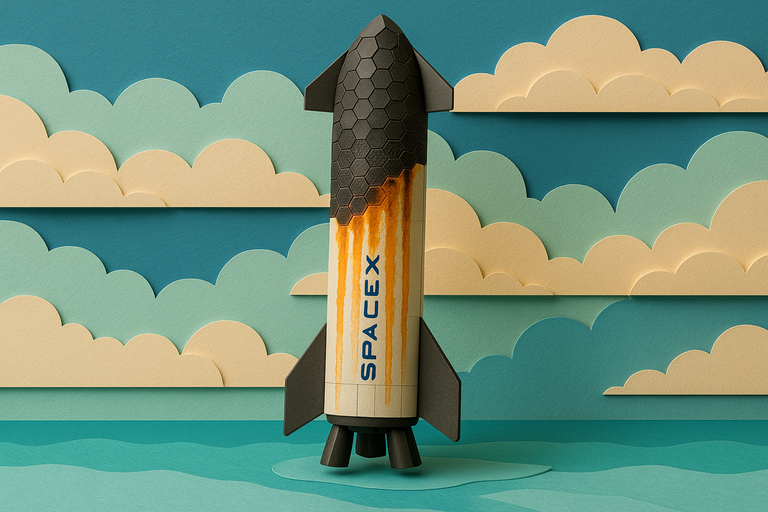
SpaceX engineers have diagnosed peculiar heat shield issues on their recent Starship test flight, revealing valuable lessons through an unexpected rusty orange discoloration that streaked down the massive spacecraft.
"We were essentially doing a test to see if we could get by with non-ceramic tiles," explained Bill Gerstenmaier, SpaceX's executive for build and flight reliability. "It turns out they're not. The metal tiles... didn't work so well. They oxidized extremely nice in the high oxygen environment."
The August 26th test flight, Starship's tenth full-scale attempt, successfully guided the 171-foot vehicle to a controlled splashdown in the Indian Ocean, landing within 10 feet of its target.
Engineers also discovered heat seeping between tile gaps, creating white patches where underlying material ablated away. Their solution? A material they've nicknamed "crunch wrap" that seals around each tile.
SpaceX plans to implement these fixes on Flight 11, expected in October, while preparing for more ambitious goals in 2026.
"Next year, we step up to another version of both ship and booster," Gerstenmaier said, with orbital flights potentially beginning around Flight 13, followed by crucial propellant transfer tests needed for future Moon and Mars missions.
SMRTR provides this summary for quick context. The original article belongs to Wired.
Read the original article