
NASA's supersonic jet completes its first flight in California
SMRTR summary
A sleek experimental jet just whispered through California skies at supersonic speeds, producing sonic "thumps" instead of the ear-splitting booms that have kept such flights banned over land for decades.
NASA and Lockheed Martin's X-59 completed its maiden flight Tuesday, nearly ten years after the partnership began. The aircraft flew from Palmdale to Edwards Air Force Base, marking a pivotal moment in the quest to bring back commercial supersonic travel.
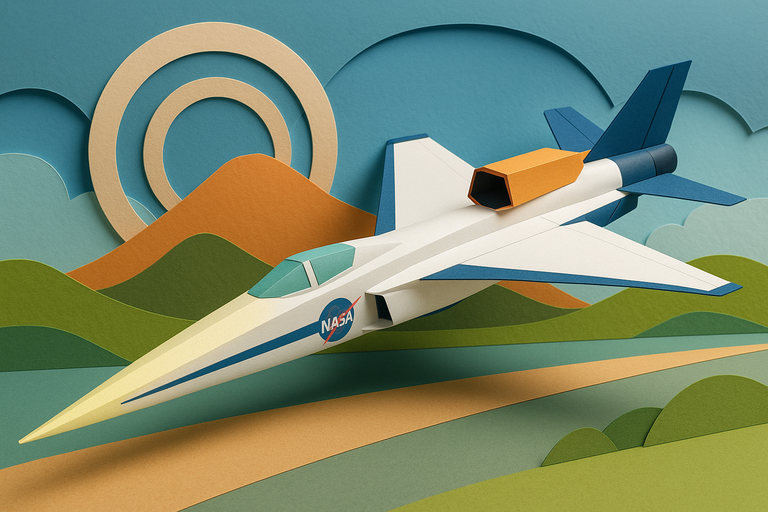
The X-59's radical design includes an engine mounted on top and an extremely pointy nose, engineering tweaks aimed at muffling the thunderous sonic booms that plagued earlier supersonic aircraft. If successful, passengers below might hear gentle thumps or nothing at all.
The timing couldn't be better. President Trump recently ordered the Federal Aviation Administration to lift the supersonic flight ban that's been in place since 1973, creating fresh urgency around the project.
With supersonic speeds potentially cutting flight times dramatically, NASA and Lockheed are now preparing community sound tests to prove their quiet design works.
SMRTR provides this summary for quick context. The original article belongs to Engadget.
Read the original article