
NASA pushes Moon base plan, sets sights on nuclear spacecraft to Mars by 2028
SMRTR summary
Nuclear-powered helicopters will soon buzz across the Martian landscape as part of NASA's ambitious plan to reach Mars before 2028 while simultaneously building a permanent Moon base. The space agency announced a dramatic acceleration of its lunar program, targeting annual Moon landings after 2027 and eventually missions every six months, marking a shift from one-off expeditions to sustained human presence.
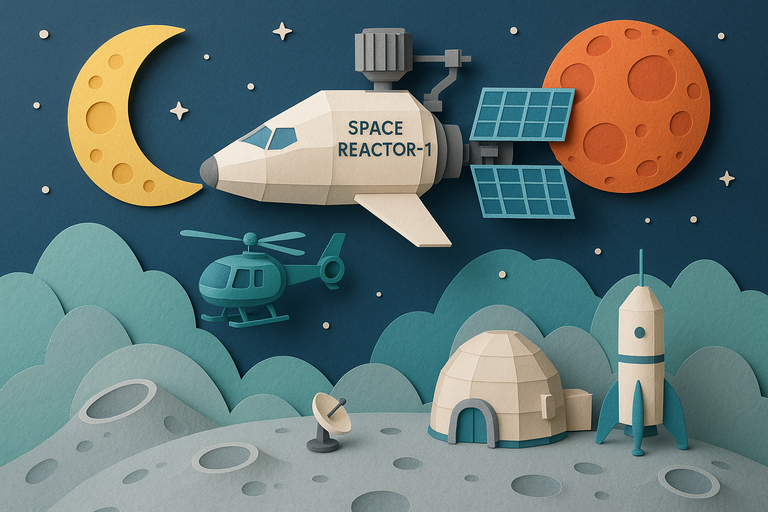
Central to this strategy is Space Reactor-1 Freedom, which will become the first spacecraft to demonstrate nuclear electric propulsion on an interplanetary mission. This technology offers far greater efficiency than traditional rockets and works where solar power fails in the outer reaches of our solar system.
"NASA is committed to achieving the near-impossible once again, to return to the Moon before the end of President Trump's term, build a Moon base, establish an enduring presence," said NASA Administrator Jared Isaacman.
The lunar strategy unfolds in three phases: rapid robotic testing, semi-permanent infrastructure with international partners like Japan, and finally a permanent base with heavy-duty habitats and mobility systems.
SMRTR provides this summary for quick context. The original article belongs to Interesting Engineering.
Read the original article