
Meta missed mobile. It is building the operating system for humanoids
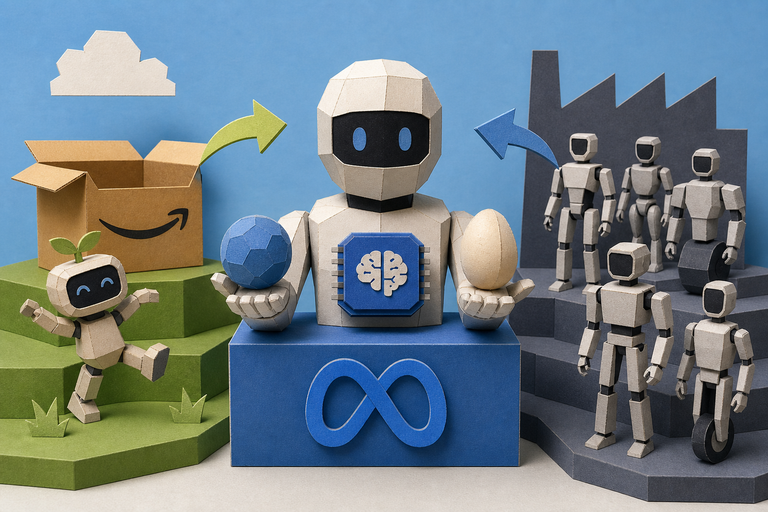
SMRTR summary
A three-and-a-half-foot dancing robot named Sprout may have started a chain reaction reshaping the future of humanoid robotics.
When Amazon snapped up Fauna Robotics earlier this year, co-founder Lerrel Pinto walked out the door and immediately co-founded a new startup, Assured Robot Intelligence, with former Nvidia researcher Xiaolong Wang. Within months, Meta acquired that startup too, folding both founders into its Superintelligence Labs division.
The technology they brought with them is remarkable: AI models for whole-body humanoid control, and a tactile sensor called e-Flesh that lets robots actually feel what they're touching, distinguishing an egg from a tennis ball.
But the bigger story is Meta's ambition. The company wants to be the Android of humanoid robots, providing the intelligence layer while others build the machines.
It's a smarter, leaner bet than Meta's costly Reality Labs gamble. The question is whether the humanoid market produces hundreds of manufacturers hungry for a common platform, or consolidates around a few powerful players who need no one's brain but their own.
SMRTR provides this summary for quick context. The original article belongs to The Next Web.
Read the original article