
Is the metaverse finally dead and buried? What's really going on with the embattled idea of living in virtual worlds.
SMRTR summary
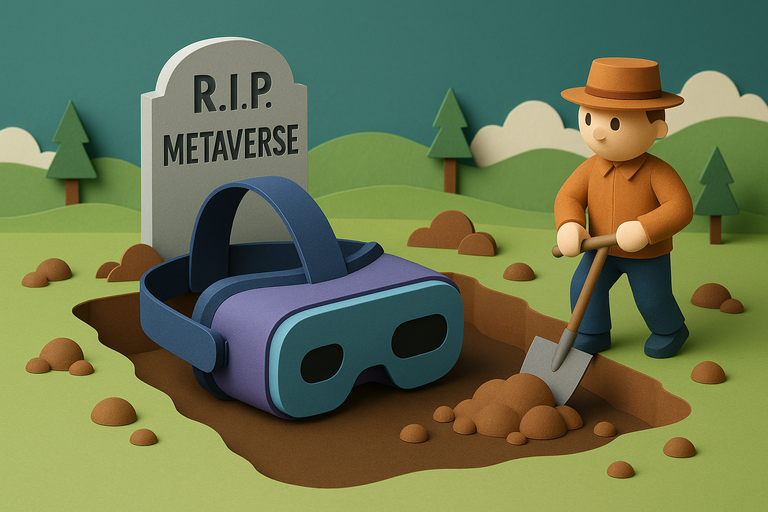
After burning through more than $70 billion since 2021, Meta quietly announced it would slash funding to its Reality Labs division by 30% and shut down its virtual reality platform Horizon Worlds — only to reverse course days later amid intense scrutiny. The company that literally renamed itself after the metaverse concept now finds itself retreating from the very technology it championed during the COVID-19 pandemic.
The grand vision of shared virtual universes where people work and socialize in headsets all day has collided with stubborn reality. VR headsets remain bulky and cause widespread reports of headaches and nausea due to something called "vergence-accommodation conflict" — where your brain struggles to reconcile focusing on a screen inches from your eyes while perceiving distant virtual objects.
"VR meetups and virtual offices were marketed as the future, but for most of us, they were just clunkier versions of Zoom, Slack, or games we already had," said Lik-Hang Lee, assistant professor at Hong Kong Polytechnic University. "The friction of putting on a headset is high and the reward wasn't clearly higher."
Yet many experts believe the metaverse isn't dead but simply premature — much like the Apple Newton or Google Glass. Artificial intelligence may provide the missing piece, enabling dynamic content creation and intelligent virtual characters that could finally deliver on the metaverse's promises when hardware catches up.
SMRTR provides this summary for quick context. The original article belongs to Live Science.
Read the original article