
Here's How NASA Plans To Deorbit The ISS
SMRTR summary
After more than 100,000 trips around Earth, the International Space Station will meet its end in 2030 when NASA deliberately crashes it into the Pacific Ocean.
The orbital laboratory that has been humanity's permanent home in space since 2000 is showing its age. Decades of harsh conditions, including cyclical heating and cooling, meteor impacts, and constant wear have taken their toll on the massive 400-ton structure. Maintenance costs are rising, and the risks are mounting.
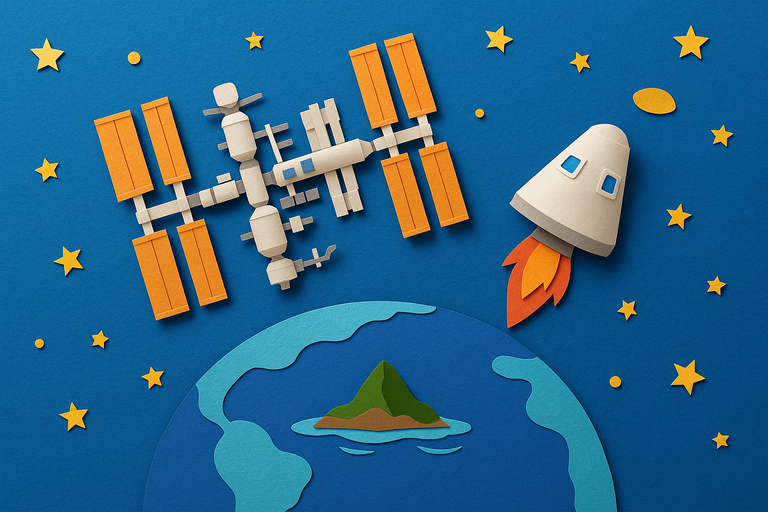
NASA won't simply let the station fall wherever gravity takes it. Instead, a SpaceX-designed spacecraft called the U.S. Deorbit Vehicle will act as a space tug, guiding the ISS toward Point Nemo in the South Pacific, a remote region known as the "spacecraft cemetery."
This controlled descent represents the most complex reentry ever attempted, requiring coordination between five international space agencies. Most of the station will burn up during atmospheric entry, with remaining fragments splashing harmlessly into the ocean.
The ISS's retirement clears the way for commercial space stations from companies like Axiom Space and Blue Origin, while NASA focuses on returning humans to the moon and eventually Mars.
SMRTR provides this summary for quick context. The original article belongs to BGR.
Read the original article