
Google wants data centers in space by 2027, and while it may seem smart, the reality is way more complicated
SMRTR summary
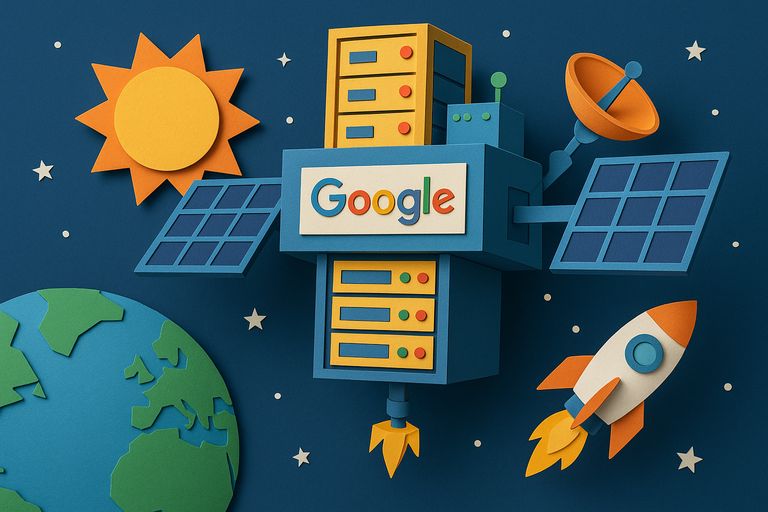
Google's CEO Sundar Pichai wants to launch "tiny, tiny racks of machines" into space by 2027, part of an ambitious plan called Project Suncatcher that could make extraterrestrial data centers normal within a decade. The company aims to harness the sun's unlimited energy above Earth's atmosphere to power AI infrastructure, responding to growing environmental concerns about data centers' massive power consumption and water usage. Google isn't alone in this cosmic computing race—Elon Musk says SpaceX will transform Starlink satellites into orbital data centers, while Jeff Bezos envisions gigawatt-scale space facilities.
But the engineering challenges are formidable. Without air to carry away heat, spacecraft must rely on radiation alone for cooling, requiring massive radiative surfaces that add weight and cost. Space radiation constantly bombards electronics, demanding heavy shielding. Perhaps most troubling for scientists, thousands of new satellites would worsen the light pollution already plaguing astronomical observations and add to orbital congestion that's creating multiple fiery reentries daily.
SMRTR provides this summary for quick context. The original article belongs to NotebookCheck.
Read the original article