
From flying cars to jetpacks: How close are humans to commuting in the sky?
SMRTR summary
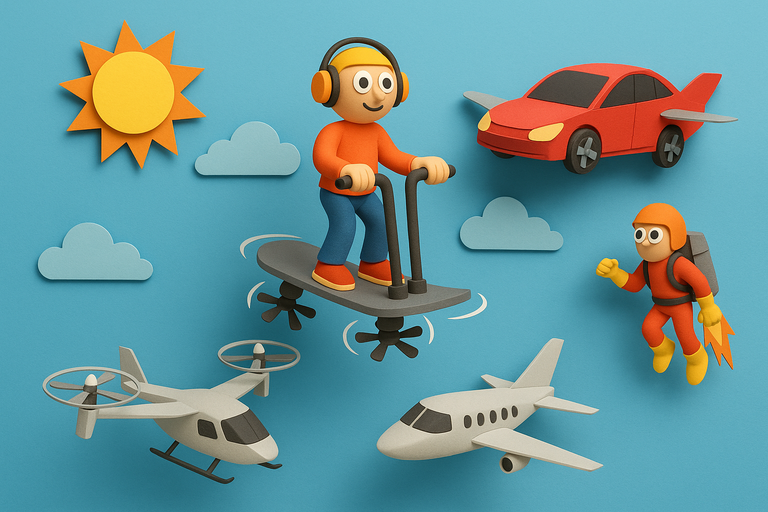
Hunter Kowald's flying skateboard buzzes through the air at 40 mph, carrying 500 pounds and looking like something straight out of a superhero movie. His Sky Surfer has become a viral sensation, representing the closest homemade aviation has come to commercial reality.
The personal flight revolution is finally here, powered by EVTOLs—Electric Vertical Takeoff and Landing aircraft that are essentially large, human-carrying drones. From garage tinkerers to major companies like Archer Aviation and Joby Aviation, engineers worldwide are building functioning flying machines.
The technology exists. Joby recently completed a 523-mile hydrogen-powered flight, while Archer's Midnight can carry four passengers at 150 mph. Even jetpack companies like Gravity Industries have working Iron Man-style prototypes.
The remaining hurdles aren't technical—they're regulatory and practical. Battery weight limits flight time, aviation laws struggle to adapt, and safety protocols need refinement. But smaller ultralight vehicles like flying skateboards could legally take to American skies today.
The age of personal flight isn't coming—it's already landing.
SMRTR provides this summary for quick context. The original article belongs to Interesting Engineering.
Read the original article