
World’s tiniest light diodes shrink 100 times smaller than a human cell width
SMRTR summary
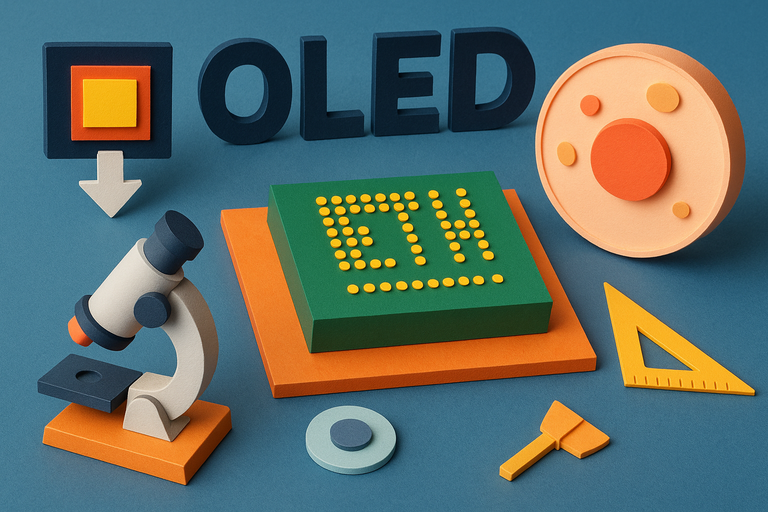
A single pixel smaller than a human cell might sound impossible, but Swiss researchers have created organic light-emitting diodes just 100 nanometers wide, roughly 50 times tinier than current technology. The ETH Zurich team demonstrated their breakthrough by assembling 2,800 individual nano-OLEDs into their university logo, creating a structure only 20 micrometers tall.
"The diameter of the most minute OLED pixels we have developed to date is in the range of 100 nanometers," says PhD student Jiwoo Oh. These microscopic light sources pack an incredible 50,000 pixels per inch, potentially revolutionizing everything from ultra-sharp wearable displays to advanced microscopes.
Because these pixels are smaller than visible light wavelengths, neighboring diodes can manipulate light waves with extraordinary precision, making them interact and interfere with each other. This opens doors to holographic displays, mini lasers, and optical systems that could transmit data by shaping light directly on computer chips.
SMRTR provides this summary for quick context. The original article belongs to Interesting Engineering.
Read the original article