
Turning lemons into power: New gelatin battery bends 80% to power future wearables
SMRTR summary
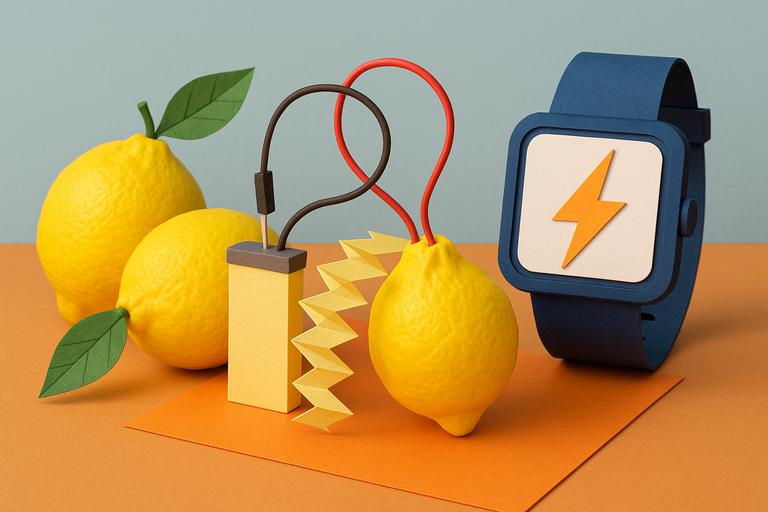
A childhood lemon battery experiment has inspired researchers at McGill University to create a revolutionary power source made from gelatin, citric acid, and biodegradable metals that can stretch up to 80 percent without losing performance. The breakthrough addresses a critical bottleneck in eco-friendly batteries by using naturally occurring acids to prevent reaction-blocking layers that typically plague magnesium-based designs.
The team suspended the acids in gelatin to create a soft, flexible electrolyte, then cut the battery in a kirigami pattern that allows it to expand and twist like origami. Research supervisor Sharmistha Bhadra explained the motivation: "We use a lot of batteries in our lab for wearable devices, and they eventually stop working and get thrown out. This project asked whether we could make something biodegradable and stretchable that still performs well."
The battery delivers 1.3 volts, enough to power wearable electronics and potentially medical implants. With electronic waste mounting in landfills worldwide, this gelatin-based solution could help reduce the toxic burden of discarded batteries while powering the next generation of flexible devices.
SMRTR provides this summary for quick context. The original article belongs to Interesting Engineering.
Read the original article