
The Search for Where Consciousness Lives in the Brain
SMRTR summary
Twenty-five years ago, neuroscientist Christof Koch was so confident scientists would crack consciousness that he bet a case of fine wine on it. He lost, but researchers haven't given up on solving what's called the hard problem: how brain tissue creates our inner world of thoughts and feelings.
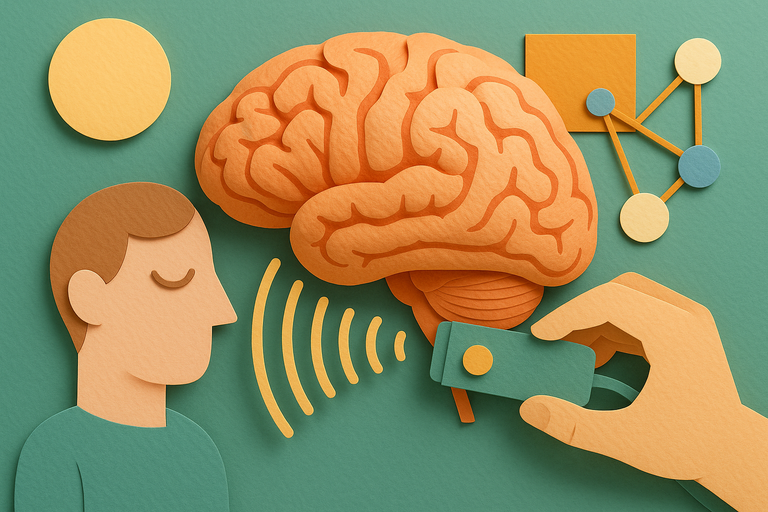
Now MIT scientists think they've found a new key. They're using transcranial focused ultrasound, which beams acoustic waves through the skull to stimulate brain areas as small as a few millimeters. Unlike brain scans that merely observe, this technology can actually alter deep brain activity in healthy people without surgery.
"Transcranial focused ultrasound will let you stimulate different parts of the brain in healthy subjects, in ways you just couldn't before," says MIT researcher Daniel Freeman. The team plans experiments targeting visual and frontal brain regions to answer fundamental questions about whether consciousness emerges from localized brain spots or sprawling networks.
Their upcoming studies will test whether stimulating visual areas actually makes people see light, potentially bridging the gap between brain activity and conscious experience for the first time.
SMRTR provides this summary for quick context. The original article belongs to Nautilus.
Read the original article