
See the Gravity Waves from a Super Typhoon
SMRTR summary
Earth is glowing, and that glow is telling us something important. It's called airglow, a faint luminescence created when sunlight excites gas molecules in the upper atmosphere, causing them to release light as they settle back down. It's subtle from the ground, but stunning from space.
And now, scientists are using it to track dangerous storms.
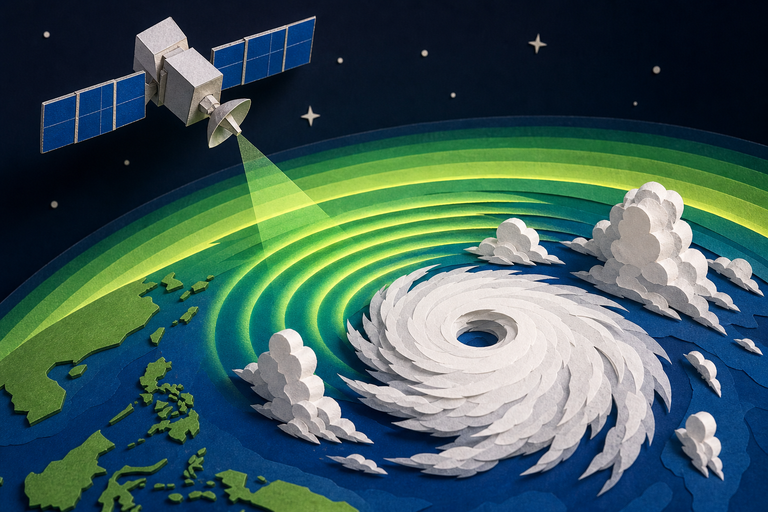
When Super Typhoon Sinlaku tore through the Northern Marianas Islands and Guam this past April, a NOAA satellite captured something remarkable: rippling waves radiating outward from the storm's eye, visible in the airglow itself. These so-called gravity waves form when towering storm clouds punch upward through atmospheric layers, disturbing that ambient glow in measurable patterns.
The implications are significant. Research suggests these ripples often appear when storms are intensifying, and NASA scientists believe monitoring them could provide early warnings about a storm's destructive potential before it reaches land. Watching the sky glow, it turns out, might help save lives.
SMRTR provides this summary for quick context. The original article belongs to Nautilus.
Read the original article