
Scientists are building viruses from scratch to fight superbugs
SMRTR summary
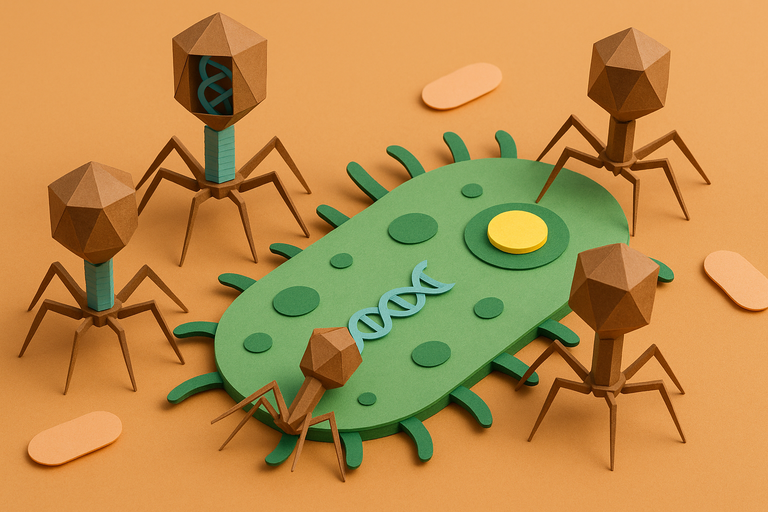
Scientists have cracked the code on building deadly viruses from scratch — not to harm, but to heal. Researchers from New England Biolabs and Yale University have developed the first fully synthetic system for engineering bacteriophages that hunt down Pseudomonas aeruginosa, one of the world's most antibiotic-resistant bacteria. Using digital DNA sequences rather than physical virus samples, the team assembled an entire phage from 28 synthetic DNA fragments, then programmed it with new capabilities like swapping which bacteria it targets and adding fluorescent markers to track infections in real time.
The breakthrough relies on Golden Gate Assembly, which sidesteps the labor-intensive traditional methods that have kept phage research in the slow lane for decades. "Even in the best of cases, bacteriophage engineering has been extremely labor-intensive. Researchers spent entire careers developing processes to engineer specific model bacteriophages," says Andy Sikkema, the study's co-first author.
As antibiotic resistance threatens global health, this synthetic approach could rapidly accelerate the development of targeted phage therapies, offering new weapons against superbugs that have outsmarted conventional medicine.
SMRTR provides this summary for quick context. The original article belongs to Science Daily.
Read the original article