
Deep-sea mining: The trillion-dollar gamble that could scar the seafloor forever
SMRTR summary
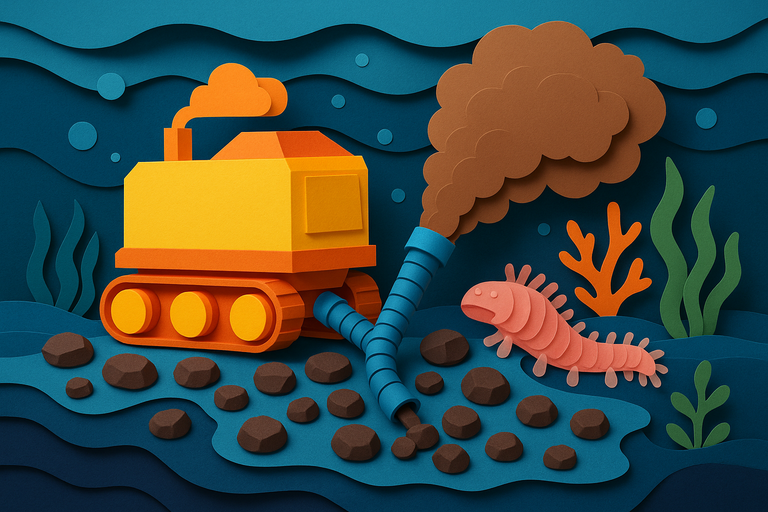
A robot the size of a small house vacuums potato-sized rocks from the ocean floor, harvesting metals critical for clean energy. But this technological solution comes with an ecological price tag that could last millions of years.
"We can save the climate while still harming the deep ocean," warn scientists studying the Clarion-Clipperton Zone, where polymetallic nodules rich in nickel and copper lie scattered across abyssal plains.
These nodules form habitats for creatures like the gelatinous "gummy squirrel" sea cucumber. Once removed, they take millions of years to reform.
Deep-sea mining companies argue their method causes less harm than land-based mining, with fewer emissions and human rights concerns. But most deep-sea species remain undiscovered, and sediment plumes could travel thousands of kilometers.
The regulatory landscape is equally murky. While the International Seabed Authority works toward December 2025 regulations, the US recently authorized companies to proceed independently.
The dilemma puts climate solutions against ocean protection in a race against time, testing whether we can build a sustainable future without destroying ecosystems we've barely begun to understand.
SMRTR provides this summary for quick context. The original article belongs to Interesting Engineering.
Read the original article