
Chinese satellite with robotic 'octopus arm' passes key refueling test in orbit — making longer-lived space assets more likely
SMRTR summary
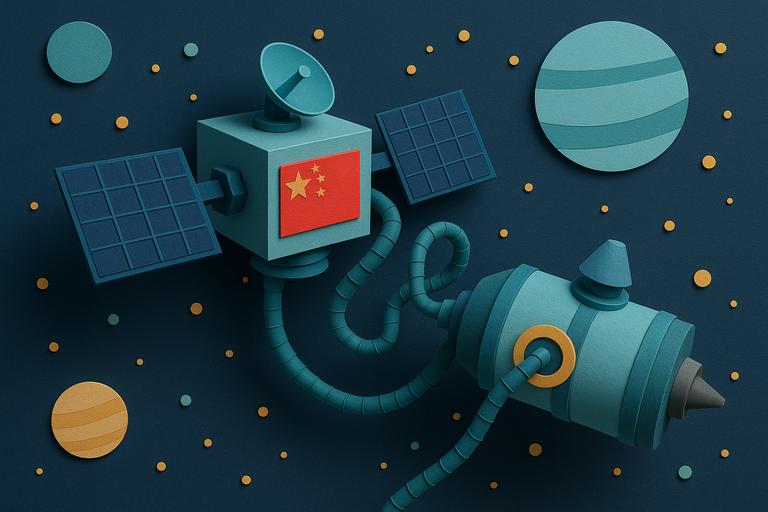
A Chinese satellite just refueled itself using a robotic "octopus arm" while hurtling through space at 16,800 miles per hour, marking another breakthrough in orbital technology where China leads and NASA lags behind.
The Hukeda-2 demonstration satellite successfully completed its first refueling test on March 24, using a flexible robotic appendage made of spring-like tubes threaded with cables. The arm can curl, twist and wrap around objects with its nozzle-like tip designed to connect with target ports.
This achievement follows China's historic first satellite-to-satellite refueling last June, when one spacecraft successfully refueled another that had run out of fuel. The technology could prove crucial for maintaining China's rapidly expanding Qianfan constellation, which plans to deploy 15,000 satellites by 2030 to rival SpaceX's Starlink network.
Unlike SpaceX, which favors launching new satellites rather than sustaining existing ones, China is investing in orbital sustainability. Hukeda-2 will eventually deploy an 8-foot balloon to accelerate its return to Earth, potentially reducing space debris in increasingly crowded low Earth orbit.
SMRTR provides this summary for quick context. The original article belongs to Live Science.
Read the original article