
Why Combine Python and Excel?
SMRTR summary
From Python to Pivot Tables: A Digital Marriage of Convenience
The humble Excel spreadsheet, long a staple of office life, is getting a powerful upgrade. Python programming language is now merging with Microsoft's familiar grid system, removing the limitations of built-in formulas and opening new possibilities for data analysis.
"Python removes the limitations set by Excel's built-in formulas," explains the documentation for this increasingly popular integration.
Analysts can now leverage Python's advanced libraries like pandas and NumPy directly within their spreadsheets, bringing sophisticated capabilities to everyday Excel users.
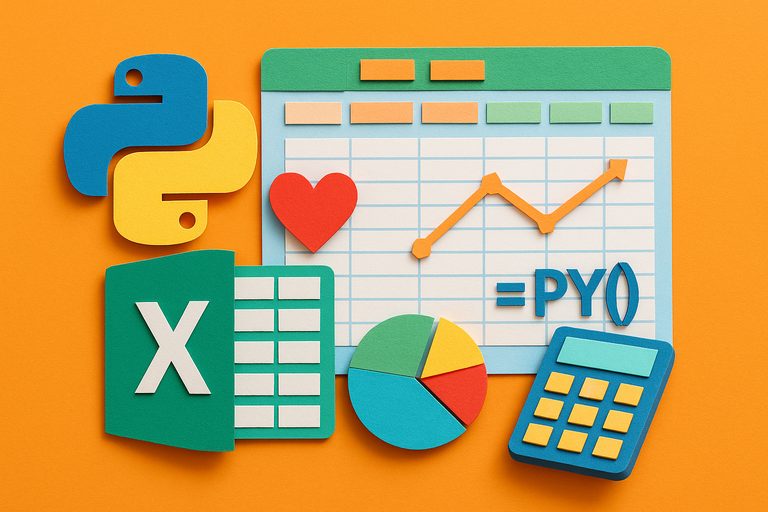
Several options exist for this digital partnership. The open-source xlwings offers a free bridge between Excel and Python, while Microsoft 365 subscribers can access the company's "Python in Excel" beta feature using the simple =PY() function in cells.
For data scientists, this integration means seamlessly importing data with pandas, creating visualizations with Matplotlib, or even implementing machine learning models—all without leaving the comfort of their spreadsheets.
This union isn't just about power, but practicality. With Python, analysts can automate repetitive tasks, schedule reports, and even email generated workbooks, transforming Excel from a mere calculation tool into a complete workflow solution.
SMRTR provides this summary for quick context. The original article belongs to Daily.dev.
Read the original article