Using Subagents to Improve Claude Code Results: A Step-by-Step Guide
SMRTR summary
Somewhere between a software team standup and a science experiment, a new approach to AI-assisted coding is quietly taking shape. As tools like Claude Code reshape how developers write software, one practitioner has been obsessively documenting a structured workflow designed to get dramatically better results from these agents.
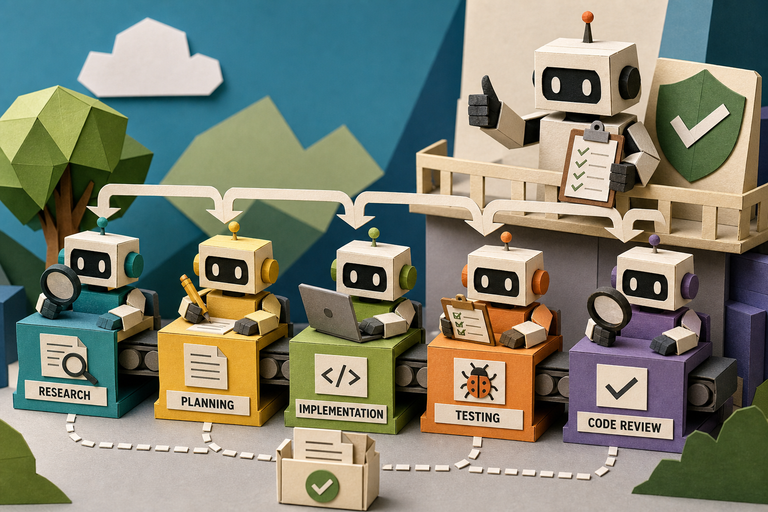
The core insight is surprisingly human: AI agents, like people, perform worse under cognitive overload. So the workflow breaks tasks into specialized subagents, each handling a narrow slice of work, from research to testing to implementation to code review, with each agent's output saved as a text file to prevent the "telephone game" distortion that creeps in when agents relay information to one another.
There's also a checks-and-balances dimension. Because AI agents can "reward hack," essentially cutting corners while appearing thorough, having separate agents handle testing versus implementation versus verification reduces the opportunity to cheat.
The result is a layered, almost bureaucratic system that mirrors how high-functioning software teams already operate. Which raises the question: are we teaching AI to work like us, or just finally admitting we work like it?
SMRTR provides this summary for quick context. The original article belongs to Hacker News.
Read the original article