
Thoughts on AI agents
SMRTR summary
Software engineer Goulven CLEC'H watches artificial intelligence agents write 90% of his code today, a dramatic leap from under 10% just two years ago.
The transformation reflects a broader shift across the tech industry as AI agents break free from simple chat interfaces to become autonomous coding partners capable of executing commands, launching other agents, and iterating on their own work.
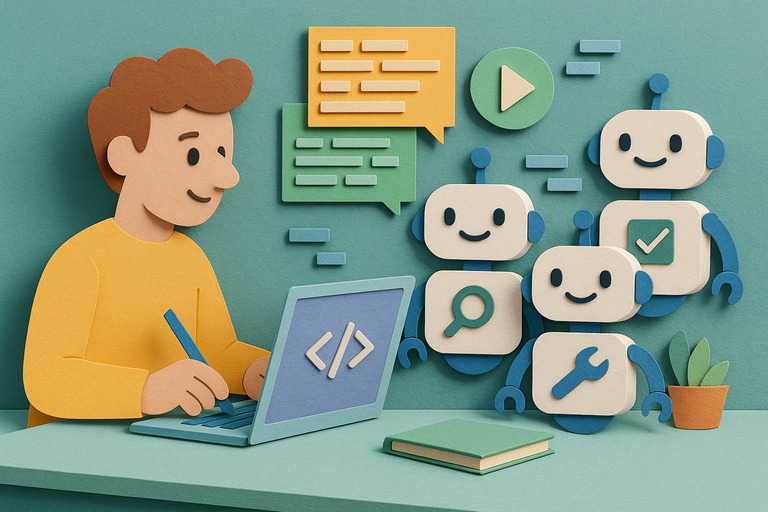
CLEC'H describes a sophisticated workflow where specialized AI subagents handle distinct roles. Analyst agents explore codebases and gather context, Builder agents write code following project conventions, Reviewer agents evaluate changes, and Fixer agents debug issues using the full toolkit of tests and development tools.
The key to success isn't crafting perfect prompts, but structuring environments where agents can work effectively. CLEC'H advocates for concise documentation, comprehensive test suites, and what he calls "progressive disclosure," allowing agents to incrementally discover relevant context through exploration.
His typical prompt has become remarkably simple: "Implement this feature" followed by a GitHub issue link. The magic happens in the structured coordination between human oversight and agent execution, with safety guardrails built into the development environment rather than relying on AI discipline.
As routine coding becomes increasingly automated, CLEC'H argues that human value shifts toward challenging requirements, mentoring developers, and making architectural decisions.
SMRTR provides this summary for quick context. The original article belongs to lobste.rs.
Read the original article