
The Fall of JavaScript
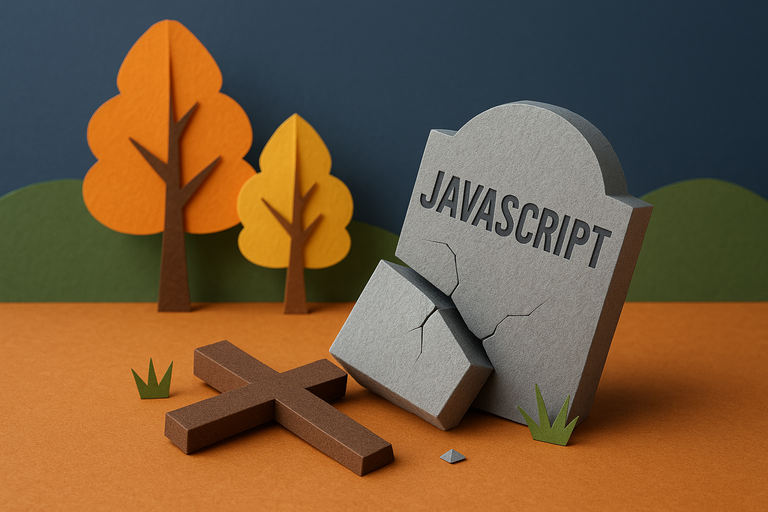
SMRTR summary
JavaScript sprang to life in just ten days back in 1995, when Netscape hired Brendan Eich to create a programming language that would blend the elegance of Scheme with Java-like syntax to appease mainstream programmers. What emerged was a beautifully minimalist, class-free language based on prototypes rather than rigid type systems. But Eich himself would later call it a "quickie love-child of C and Self," admitting that even he sometimes cursed his creation.
The language worked brilliantly in its pure form until industry forces began "fixing" what wasn't broken. After a contentious 2008 battle where Microsoft rejected proposed changes, the tech giant created TypeScript in 2012, forcing Java-style classes and type annotations onto JavaScript's elegant prototype system.
By 2015, JavaScript officially adopted classes, abandoning what Douglas Crockford called "class-free programming" as "JavaScript's contribution to humanity." The irony cuts deep: a language designed to liberate programmers from Java's rigid structure gradually morphed into Java's shadow, trading conceptual purity for crowd-pleasing familiarity.
SMRTR provides this summary for quick context. The original article belongs to Daily.dev.
Read the original article