
Sixteen Claude AI agents working together created a new C compiler
SMRTR summary
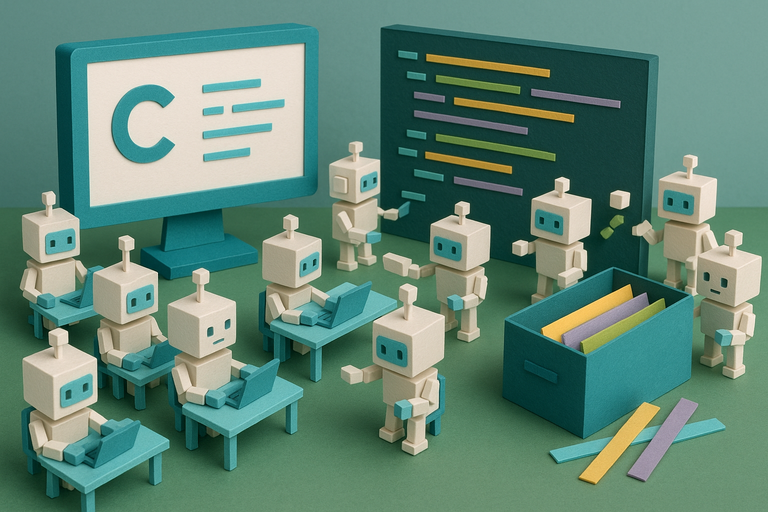
Sixteen AI agents working together just built a fully functional C compiler from scratch, with no human oversight beyond the initial assignment. Anthropic researcher Nicholas Carlini turned loose multiple instances of Claude Opus 4.6 on a shared codebase, where they independently claimed tasks, resolved coding conflicts among themselves, and over two weeks produced 100,000 lines of Rust code costing $20,000 in API fees.
The resulting compiler successfully built a bootable Linux kernel across multiple architectures and passed 99 percent of standard torture tests. It can compile major projects like PostgreSQL and SQLite, and crucially passed what Carlini called "the developer's ultimate litmus test" by compiling and running Doom.
Each AI instance worked in its own container, pushing code to a shared repository without any central coordination. When conflicts arose, the agents resolved them independently, functioning more like a distributed team than isolated workers.
The achievement comes with important caveats. C compilers represent an ideal scenario for AI coding, with decades-old specifications, comprehensive existing test suites, and reference implementations to verify against. Most real-world software development lacks these advantages, where the challenge isn't writing code that passes tests, but determining what those tests should be.
SMRTR provides this summary for quick context. The original article belongs to Ars Technica.
Read the original article