
Remote Dev Environments: Why Localhost is Dying
SMRTR summary
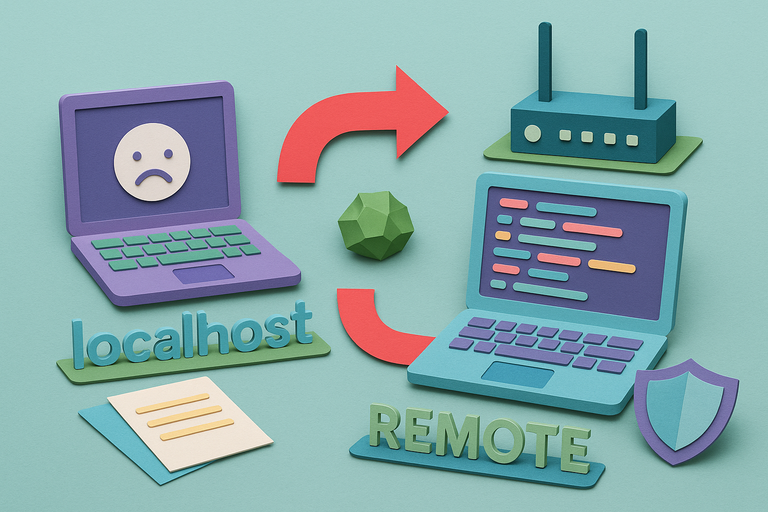
"It works on my machine" may be losing its sting as the era of localhost development faces an existential challenge. Remote development environments through platforms like GitHub Codespaces and Gitpod have matured beyond niche use cases, offering compelling alternatives that flip traditional assumptions about where code should live.
The hidden costs of localhost are staggering when finally measured. Teams routinely spend 3 to 15 business days onboarding new developers, with senior engineers burning hours troubleshooting laptop configurations instead of building products. A modest 20-person team can hemorrhage $13,500 annually just from setup friction.
Security concerns amplify the argument. Every developer laptop carrying source code becomes a potential breach vector, while remote environments centralize intellectual property on controlled infrastructure with audit trails and ephemeral sessions.
The shift isn't without trade-offs. Network latency remains real, compute-hour billing can surprise large teams, and workflows like iOS development still demand local hardware. But for most web and cloud development, the default assumption has flipped: remote environments now offer the rational starting point, with localhost reserved for genuine edge cases requiring specialized hardware.
SMRTR provides this summary for quick context. The original article belongs to Daily.dev.
Read the original article