
I Ditched My Mouse: How I Control My Computer With Hand Gestures (In 60 Lines of Python)
SMRTR summary
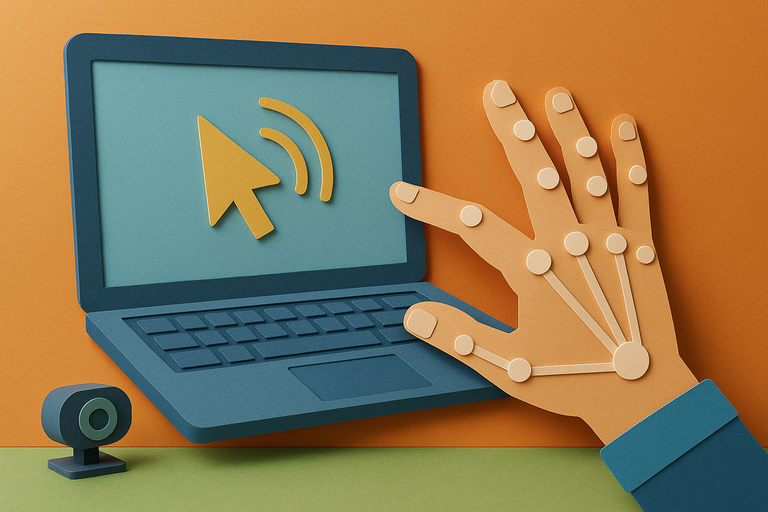
Fifty years after Doug Engelbart invented the computer mouse, we're still clicking and dragging our way through the digital world—but a new Python project demonstrates how just 60 lines of code can transform hand gestures into mouse control. Using a standard laptop webcam, OpenCV for video capture, and Google's MediaPipe machine learning model, programmers can now wave their index finger to control the cursor in real time. The system works by detecting 21 hand landmarks and tracking the fingertip's position, then mapping those coordinates to screen movement through a simple three-step process: see, think, act.
MediaPipe handles the complex computer vision tasks, having been trained on over 30,000 hand images to identify precise joint locations. The result feels almost like telekinesis—your cursor follows your finger movements smoothly across the screen without touching any physical device. While this prototype isn't quite ready for competitive gaming, it represents a significant step toward gesture-based computing that could revolutionize human-computer interaction, making the gap between intent and digital action virtually disappear.
SMRTR provides this summary for quick context. The original article belongs to Daily.dev.
Read the original article