
How to Build a Smart Expense Tracker with Python and LLMs
SMRTR summary
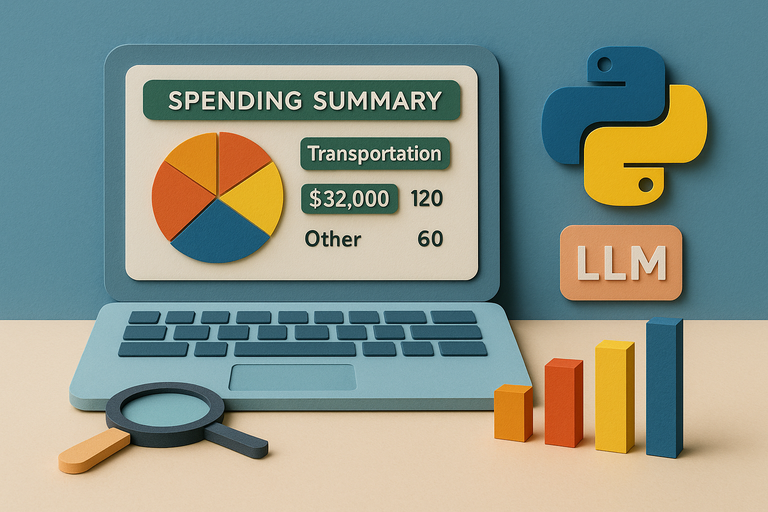
$32,000 on transportation in a single week? That figure might make you do a double-take when glancing at your personal spending summary. But for many of us, tracking where our money actually goes remains frustratingly elusive.
"Traditional expense trackers exist, but most require you to manually enter every detail," a frustration that leads many to abandon financial tracking altogether.
Enter the Smart Expense Tracker, a Python-based solution that combines data storage with artificial intelligence to categorize your spending automatically. Unlike conventional apps, this tracker recognizes that "Dominos Pizza" belongs under "Food & Drinks" without any manual input.
The system uses Large Language Models to interpret transaction descriptions and assign appropriate categories, then visualizes spending patterns through intuitive pie and bar charts.
With Streamlit integration, users can access a responsive dashboard that updates in real-time as new expenses are added.
For those overwhelmed by financial record-keeping, this AI-powered approach transforms raw numbers into actionable insights, answering the perennial question: "Where did all my money go?"
SMRTR provides this summary for quick context. The original article belongs to Daily.dev.
Read the original article