How to build a multimodal AI app with voice and vision in Next.js
SMRTR summary
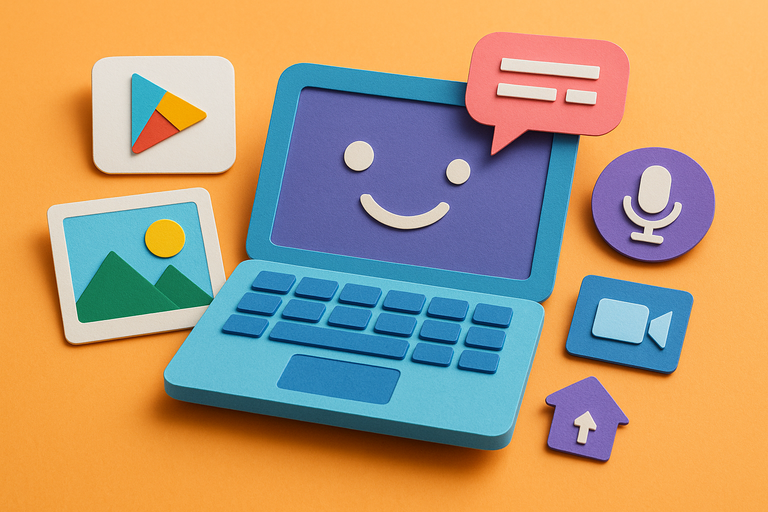
A simple chat interface now possesses the power to understand whatever you throw at it—text, images, audio, and even video—all at once.
"Multimodal AI is different," explains the new tutorial on integrating Google's Gemini API with Next.js applications. "It can understand and work with multiple types of input together."
The step-by-step guide demonstrates how developers can transform basic chat applications into sophisticated multimodal systems that mirror how humans naturally communicate. By leveraging Gemini's capabilities, apps can now analyze photos, transcribe audio, and even process video content in real-time.
The implementation requires surprisingly little code. After setting up a Gemini API key and the starter project, developers need only add speech recognition functionality and create an endpoint that handles various file types before passing them to the AI.
The resulting application lets users seamlessly switch between typing questions, recording voice messages, or uploading files—with Gemini providing contextually relevant responses regardless of input format.
For the growing community of AI developers, this represents another step toward more intuitive human-computer interaction.
SMRTR provides this summary for quick context. The original article belongs to Daily.dev.
Read the original article