
How the Model Context Protocol Works
SMRTR summary
Artificial intelligence tools today operate like islands—each with its own memory, data, and understanding of the world. A customer support chatbot might generate polite responses, but it can't access your actual customer records or ticketing system without custom coding for every single connection.
Enter Model Context Protocol, or MCP—a new standard that functions like an "API for AI context." Think of it as doing for artificial intelligence what HTTP did for the web, allowing different AI systems to share information using shared rules instead of isolated plugins.
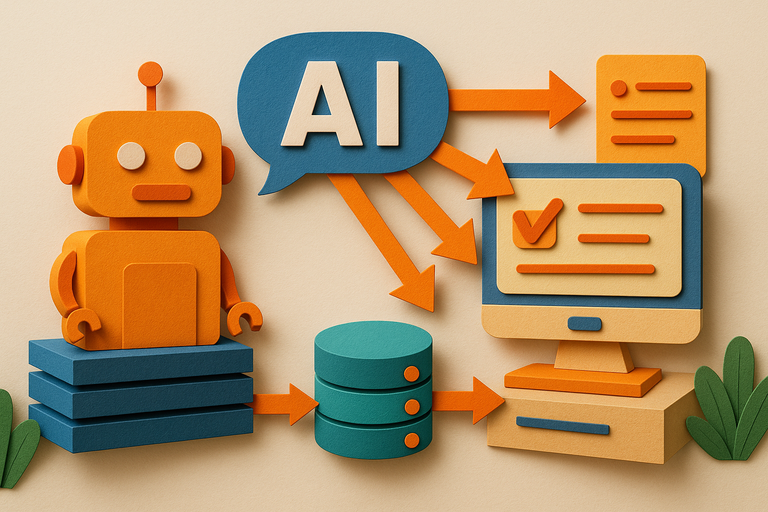
The protocol enables three key types of communication: models can request context from external data sources, tools can send updates back to the model, and both can share metadata about their capabilities.
The real power becomes clear in practice. Instead of a generic "we apologize for the delay" response, an MCP-enabled support bot can pull order history and reply with specifics like refund timing and order numbers.
This shift from isolated models to connected ecosystems could spark an AI explosion similar to the early web's transformation from individual sites to an interconnected network.
SMRTR provides this summary for quick context. The original article belongs to Daily.dev.
Read the original article