
Empty states in UX done right: 4 inspiring examples
SMRTR summary
A blank screen stares back at millions of users every day, yet this moment of nothingness could be the key to winning customer loyalty. Empty states—those screens with no content, zero search results, or fresh accounts—represent pivotal touchpoints that many designers overlook.
"Empty states have a distinct psychological impact on users," triggering either anxiety or motivation depending on their presentation. When handled poorly, these moments become dead ends where users abandon apps.
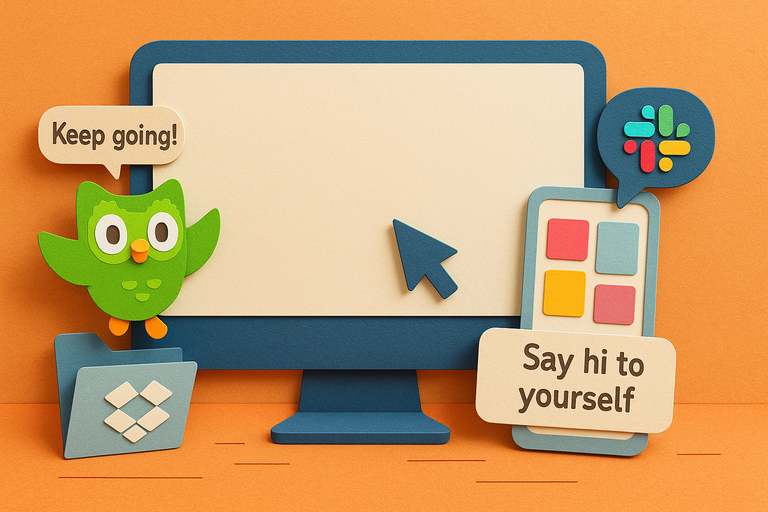
But several companies have transformed these voids into opportunities. Slack replaced their intimidating blank canvas with playful illustrations and simple prompts like "say hi to yourself," giving newcomers immediate direction.
Pinterest automatically populates new accounts with personalized content based on users' stated interests, delivering instant value without requiring effort first.
Dropbox turned "This folder is empty" into an inviting visual upload zone with clear next steps, while Duolingo cleverly fills content gaps with motivational messages and mini-challenges.
The lesson? Empty states aren't nothing—they're everything. By designing these moments with intention, companies transform potential drop-off points into engagement springboards, building connection when users might otherwise disappear.
SMRTR provides this summary for quick context. The original article belongs to LogRocket.
Read the original article