
Create Your Own AI Voice Agent Using EchoKit, ESP32, and Rust
SMRTR summary
Tinkerers can now build their own talking AI assistant for just the cost of a few electronic components and an afternoon of assembly.
EchoKit, an open-source voice AI project, lets anyone create a chatty artificial intelligence using an ESP32 microcontroller, a small speaker, and a tiny LCD screen. The device listens to voice commands, processes them through speech recognition and language models, then talks back through text-to-speech synthesis.
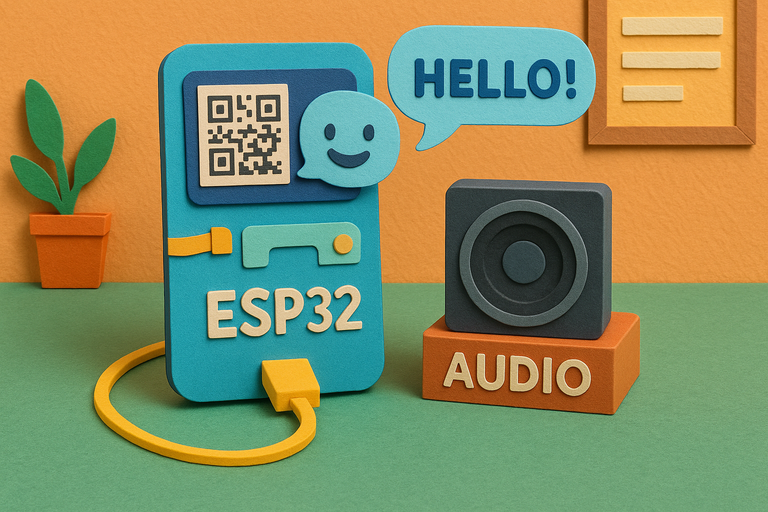
The assembly process takes minutes. Users simply plug together four main components: the ESP32 development board, an audio extension module, a mini speaker, and a 1.54-inch screen. After flashing firmware via USB cable, the device displays a QR code and greets users with a welcoming voice.
The system relies on three AI models working in sequence. Automatic speech recognition transcribes spoken words, a large language model generates responses, and text-to-speech converts those responses back into audible speech.
Designed for classrooms, makerspaces, and curious hobbyists, EchoKit offers full customization of the AI's personality and responses. Advanced users can even add custom actions to control external devices through voice commands, opening possibilities for home automation projects.
SMRTR provides this summary for quick context. The original article belongs to Lobsters.
Read the original article