
Why AI Is A Human Rights Issue
SMRTR summary
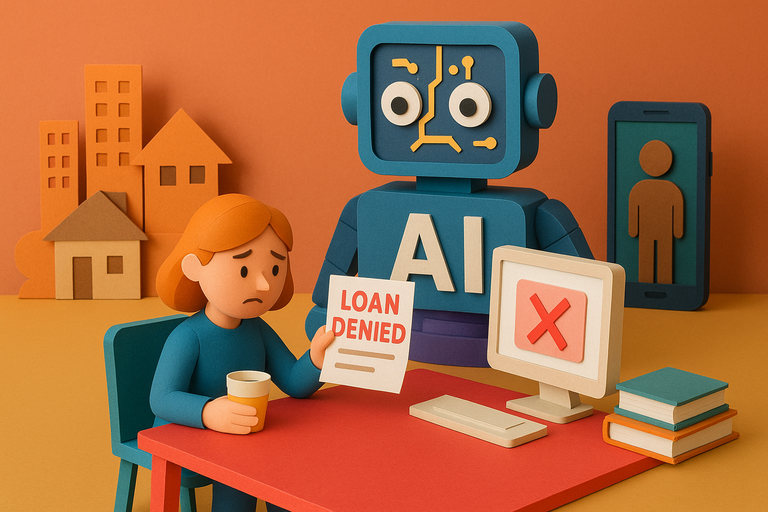
Maria's loan application was rejected in thirty-seven seconds. No human reviewed her income, her spotless payment history, or the small business she'd built from scratch. An algorithm scanned her zip code, calculated her risk score, and delivered its verdict faster than she could finish her coffee.
This scene represents a new reality where artificial intelligence has quietly become the arbiter of opportunity and the definer of human worth. What began as technological marvel has evolved into a human rights crisis demanding immediate attention.
The divide is stark. One in three Americans lacks internet speeds sufficient for modern AI applications, while three in five people in African countries have no internet access at all. Those locked out face algorithmic apartheid, cut off from jobs requiring digital literacy and financial services that could lift them from poverty.
Meanwhile, those with access discover they've traded autonomy for convenience. Modern job seekers without AI-powered resume tools are "essentially showing up to a gunfight with a slingshot," yet those who can access these tools have their every keystroke harvested and analyzed.
The solution requires both ensuring everyone can access AI's benefits and protecting everyone from its harms.
SMRTR provides this summary for quick context. The original article belongs to Forbes.
Read the original article