
The Physical Intelligence Layer
SMRTR summary
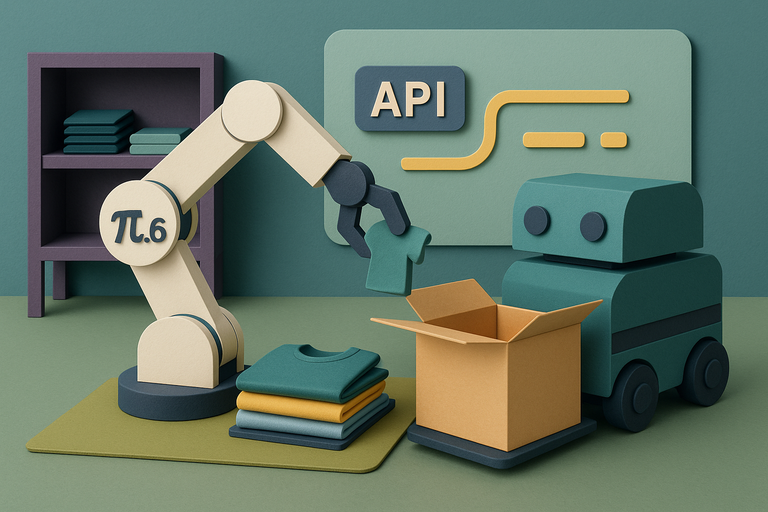
Foundation models have transformed software development by providing ready-made intelligence through simple API calls, but robotics has remained stuck in the stone age until now. Physical Intelligence, a San Francisco-based company, has developed robotic foundation models that function like an intelligence layer for any robot application, dramatically reducing the complexity of building useful robotic systems.
Their latest model, π0.6, is already working in real-world deployments across the US. At Weave's laundromats, robots fold everything from t-shirts to pants with 42% fewer missed grasps than previous versions. Meanwhile, Ultra's warehouse robots are packing thousands of real customer orders daily at 96.4% autonomy, handling the notorious complexity of e-commerce packaging that has stumped traditional automation for years.
The breakthrough lies in treating robotics like modern app development. Instead of building entire AI stacks from scratch for each robotic application, companies can now plug into Physical Intelligence's models and focus on their specific use cases. As these foundation models improve with each iteration, they're bringing robotics closer to the ubiquity of smartphone apps, promising deployment everywhere from homes to hospitals.
SMRTR provides this summary for quick context. The original article belongs to Hacker News.
Read the original article