
The octopus architecture for AI agents
SMRTR summary
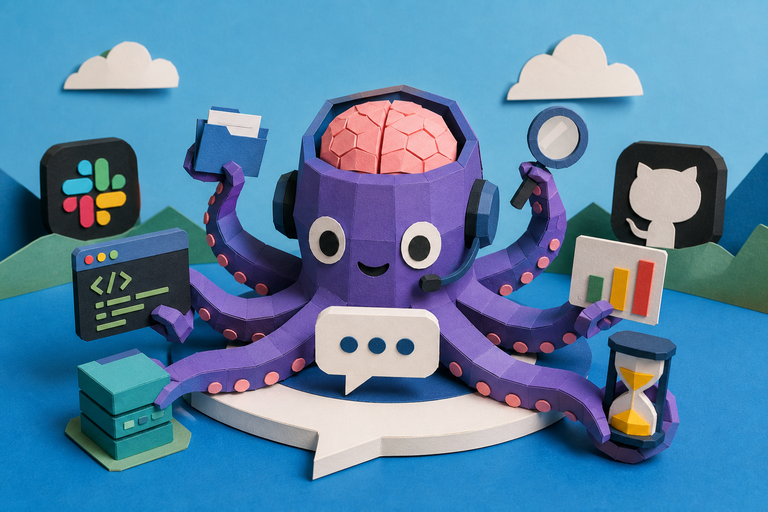
Octopuses, it turns out, make pretty good blueprints for artificial intelligence. A developer has designed an AI agent called TorkBot modeled on cephalopod anatomy, with a central "brain" coordinating multiple semi-autonomous sub-agents, called lanes, each handling its own messy, complex tasks independently.
The key insight is keeping the main conversation thread light and responsive, while delegating heavy lifting, like running code, hitting dead-ends, or waiting on data, to those separate lanes. They communicate simply, through plain text and shared file references.
What makes TorkBot genuinely ambitious is its bet on continuity. Rather than splitting conversations across platforms, everything, whether Slack messages or GitHub activity, flows through one unified foreground conversation. The goal is an agent with a consistent personality and cross-platform intuition.
As the developer puts it, the foreground carries "the relationship, the current intent, and the synthesis." The arms can be busy. The head stays available.
SMRTR provides this summary for quick context. The original article belongs to Hacker News.
Read the original article