
How AI Mirrors Are Changing the Way Blind People See Themselves
SMRTR summary
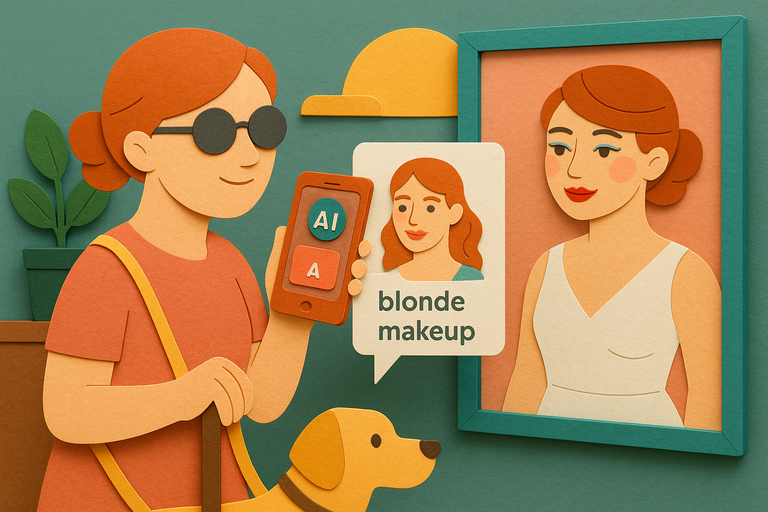
Lucy Edwards never thought she'd hear someone describe what she looked like on her wedding day until AI changed everything. The blind content creator is among thousands discovering that artificial intelligence can now serve as a digital mirror, analyzing photographs to provide detailed feedback about appearance, makeup, and styling. These breakthrough technologies have evolved from offering basic two-word descriptions in 2017 to sophisticated systems that help blind users navigate the visual world with unprecedented detail.
But this digital revolution carries hidden dangers. AI systems perpetuate biased beauty standards and can deliver inaccurate information as absolute truth, creating unique vulnerabilities for blind users who rely on these descriptions for self-knowledge.
"All our lives, blind people have had to grapple with the idea that seeing ourselves is impossible," Edwards explains. "Suddenly we have access to all this information about ourselves, about the world, it changes our lives."
Despite the risks of AI hallucinations and biased feedback, blind users are embracing these imperfect tools with remarkable determination, finding not just practical independence but deeper human dignity in understanding their place in the visual world.
SMRTR provides this summary for quick context. The original article belongs to TechRepublic.
Read the original article