
Hackers could one day use novel visual techniques to manipulate what AI sees
SMRTR summary
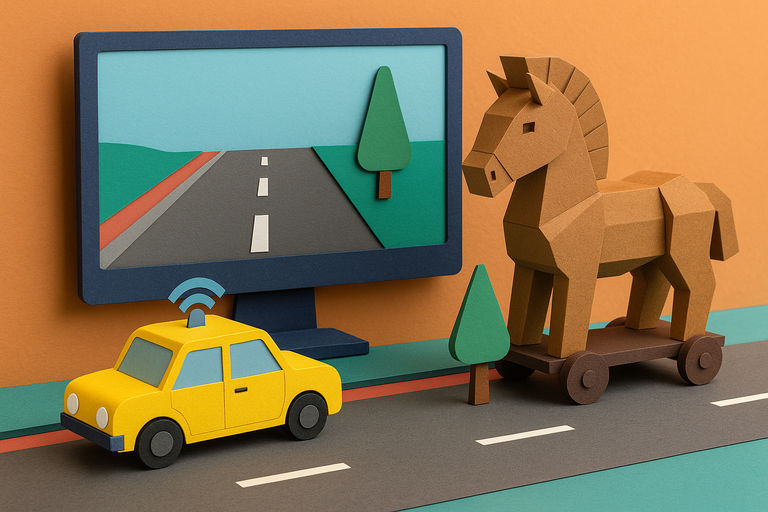
A seemingly innocuous image could be the Trojan horse that blinds a self-driving car. Researchers at North Carolina State University have developed RisingAttacK, a method that subtly alters images to deceive AI vision systems without changing their appearance to humans.
"Two images may look identical to human eyes, and we might clearly see a car in both," explains Tianfu Wu, associate professor of electrical engineering. "But due to RisingAttacK, the AI would see a car in the first image but not in the second."
This technique targets key visual features, potentially causing AI to miss critical objects like stop signs or pedestrians. The implications for autonomous vehicles and medical imaging are profound.
The researchers successfully tested RisingAttacK against four major AI vision architectures. While exposing vulnerabilities, their ultimate goal is to strengthen AI defenses.
As AI increasingly drives critical systems, this discovery underscores the urgent need for more robust safeguards in our increasingly automated world.
SMRTR provides this summary for quick context. The original article belongs to TechRadar.
Read the original article