
GPT-5 is here. Now what?
SMRTR summary
A smoother chatbot experience arrives with OpenAI's GPT-5, but the revolution will have to wait. The company's newest AI system automatically decides whether to use fast processing or slower, more deliberate reasoning for each user query - a convenient upgrade that eliminates the need for users to choose between different models.
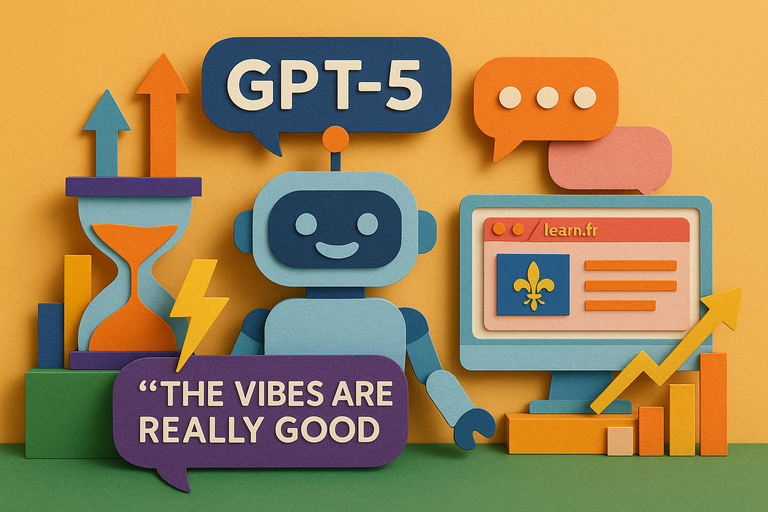
"The vibes of this model are really good," says Nick Turley, head of ChatGPT, highlighting what appears to be the primary advancement: a more refined user experience rather than a technological breakthrough.
During demonstrations, GPT-5 created an aesthetically pleasing French-learning web application, though its functionality matched what the previous model could already accomplish.
Some improvements are substantial. The system reportedly hallucinates less frequently and achieves state-of-the-art performance on several benchmarks, though AI researcher Clémentine Fourrier notes these evaluations are "basically like looking at the performance of a high schooler on middle-grade problems."
While CEO Sam Altman called GPT-5 "a significant step along the path to AGI," the release feels more like an incremental product refinement than the transformative AI future he's been promising.
SMRTR provides this summary for quick context. The original article belongs to MIT Technology Review.
Read the original article