
Google Makes It Easy to Deepfake Yourself
SMRTR summary
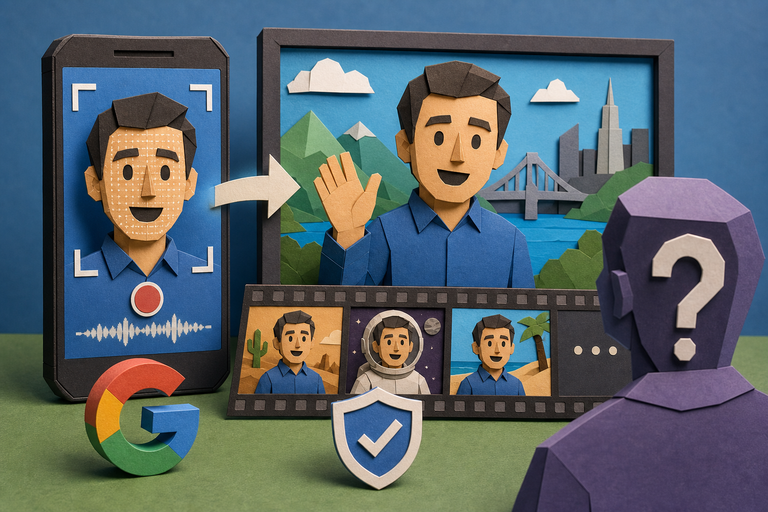
Elias Roman, a Google executive, recently demonstrated something that would have seemed like science fiction just a few years ago: inserting a digital clone of himself into any AI-generated video he wants, no camera crew required.
Google unveiled the feature, called "avatars," at its annual I/O developer conference. Using the new Omni Flash model powering its video tool Flow, users can scan themselves with a phone, record their voice, and generate lifelike video versions of themselves in any scene. "This is for creators who want to bring themselves into their content but don't want to have to shoot themselves," Roman says.
The feature echoes OpenAI's Sora app, which launched a similar selfie-deepfake tool before quietly shutting down after less than seven months.
Every video is watermarked using Google's SynthID technology. But as these tools grow more seamless and accessible, a real question lingers: will audiences even notice when the person they're watching never actually showed up?
SMRTR provides this summary for quick context. The original article belongs to Wired.
Read the original article