Everything I Studied to Become a Machine Learning Engineer (No CS Background)
SMRTR summary
A laptop and a cup of coffee. That's all Matthew Armstrong needed to begin a five-year journey from physics student to machine learning engineer, overcoming his initial distaste for coding in Fortran.
"I was hell bent on becoming a data scientist," Armstrong recalls, describing how a YouTube documentary about DeepMind's AlphaGo sparked his interest in artificial intelligence.
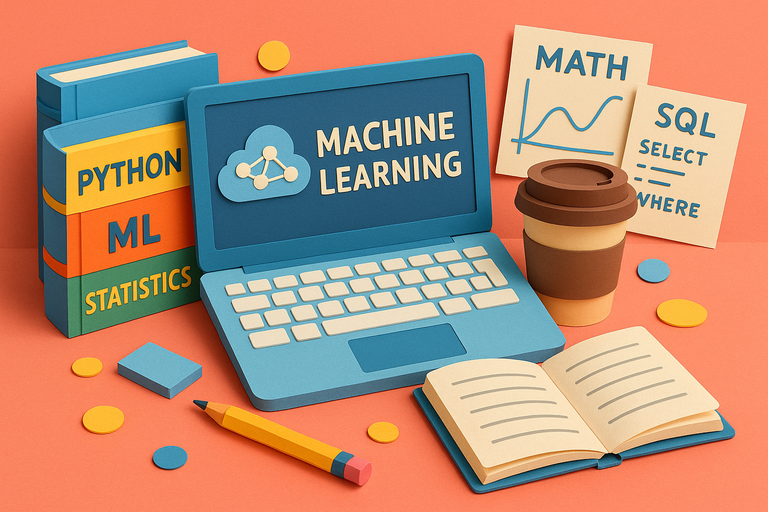
His learning path weaved through Python, SQL, machine learning fundamentals, deep learning, statistics, time series forecasting, and software engineering—a breadth of knowledge he acquired while working full-time and documenting his progress through blog posts.
What's surprising? Not everything was necessary. Armstrong now believes the actuarial statistics exam he studied was overkill, and some computer organization courses proved largely irrelevant to his daily work.
For aspiring ML engineers, Armstrong emphasizes quality over quantity in learning resources. His journey suggests focused study in core areas—particularly Python, fundamental machine learning concepts, and practical statistics—provides the strongest foundation for breaking into the field.
SMRTR provides this summary for quick context. The original article belongs to Daily.dev.
Read the original article