
Could AI slow science?
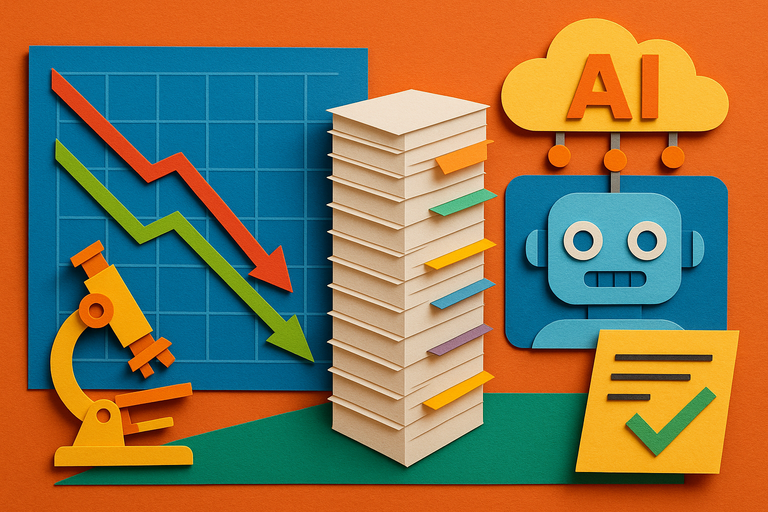
SMRTR summary
A quiet revolution is brewing in the halls of academia, but it's not the one you might expect. Despite exponential growth in scientific publications, researchers, and funding, actual scientific progress appears to be slowing down.
"The rate of publication of scientific papers has been growing exponentially, increasing 500 fold between 1900 and 2015," notes one study. Yet breakthroughs remain stubbornly constant or even declining.
This paradox has scientists worried. AI promises to accelerate research, but some fear it could exacerbate existing problems. Pressure to publish may lead researchers to chase meaningless productivity metrics rather than pursue risky, groundbreaking work.
Poor software practices in academia compound the issue. Unlike industry, scientific code often lacks rigorous testing and review. As AI use grows, so does the potential for undetected errors.
The solution may lie in rethinking how we measure and incentivize scientific progress. As one researcher puts it, "Science needs to catch up to a half century of software engineering — fast."
SMRTR provides this summary for quick context. The original article belongs to Daily.dev.
Read the original article