
Can AI Solve the Loneliness Epidemic?
SMRTR summary
Seventy percent. That's the staggering drop in face-to-face time among 15- to 24-year-olds since 2003, according to the U.S. Surgeon General. This social collapse has become a public health emergency, with loneliness now as risky as smoking a pack of cigarettes daily.
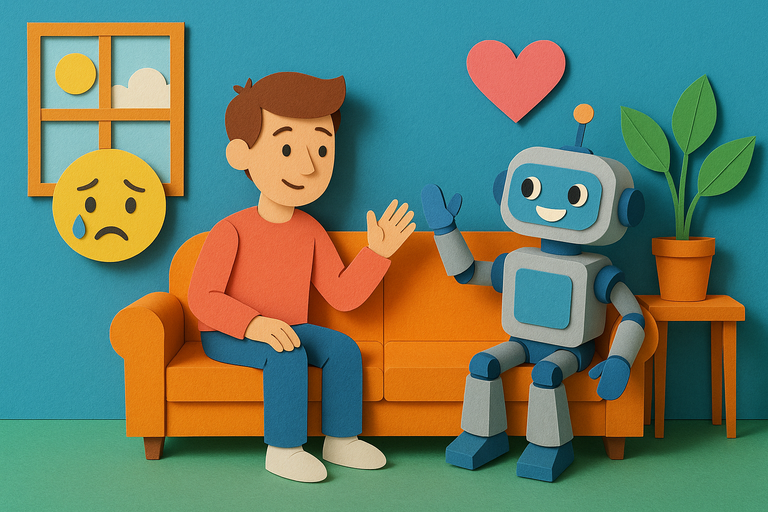
Enter AI companions, a controversial solution to this epidemic. Harvard researchers found that chatting with an AI for just 15 minutes can reduce loneliness as effectively as talking to a human. In New York, 95% of participants reported feeling less lonely after a month with a social robot.
But experts warn of a double-edged sword. While AI can bridge gaps in healthcare and education, it may also deepen isolation. As one researcher cautions, poorly designed AI might "widen, rather than close, the wound it claims to heal."
Ultimately, AI can't replace the oxytocin rush of a hug or the shared laughter over coffee. It's a tool, not a cure, in our quest for connection.
SMRTR provides this summary for quick context. The original article belongs to Unite AI.
Read the original article