
AI toys are all the rage in China—and now they’re appearing on shelves in the US too
SMRTR summary
Stuffed animals are chatting back to children these days, and China is leading a toy revolution that could reach $14 billion by 2030.
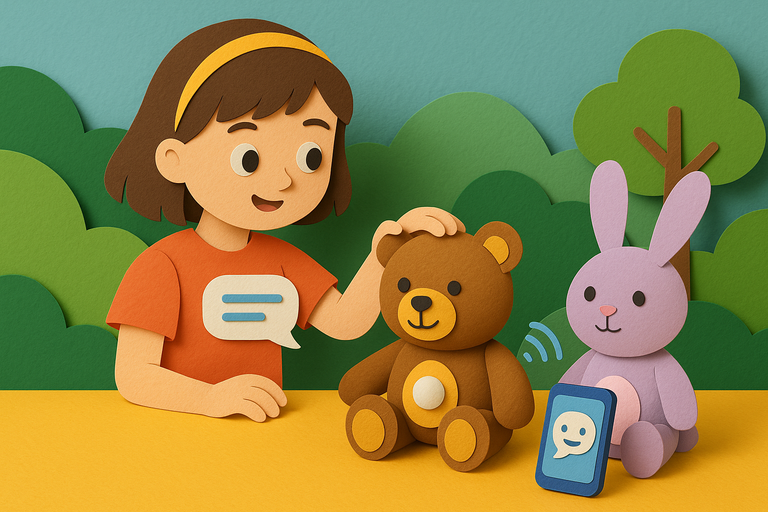
Companies like Haivivi are creating devices such as BubblePal, a ping-pong ball-sized gadget that clips onto any stuffed animal and brings it to life. Parents can choose from 39 different character voices through a smartphone app, from Disney's Elsa to Chinese cartoon hero Nezha. At $149 each, the company has sold 200,000 units since launching last summer.
Meanwhile, FoloToy lets parents train plush bears and bunnies to speak in their own voice patterns. The startup sold over 20,000 AI toys in just the first quarter of 2025, nearly matching all of 2024's sales.
These Chinese companies are now expanding globally, with products available across more than 10 countries. Even Mattel is partnering with OpenAI to develop talking Barbies and Hot Wheels.
But parent reviews reveal a bumpy reality. Beijing mother Penny Huang bought a BubblePal hoping to reduce her daughter's screen time, but found the responses "too long and wordy." The novelty quickly faded.
"This is just like one of the many toys that my daughter plays for five minutes then gets tired of," Huang says.
SMRTR provides this summary for quick context. The original article belongs to MIT Technology Review.
Read the original article